
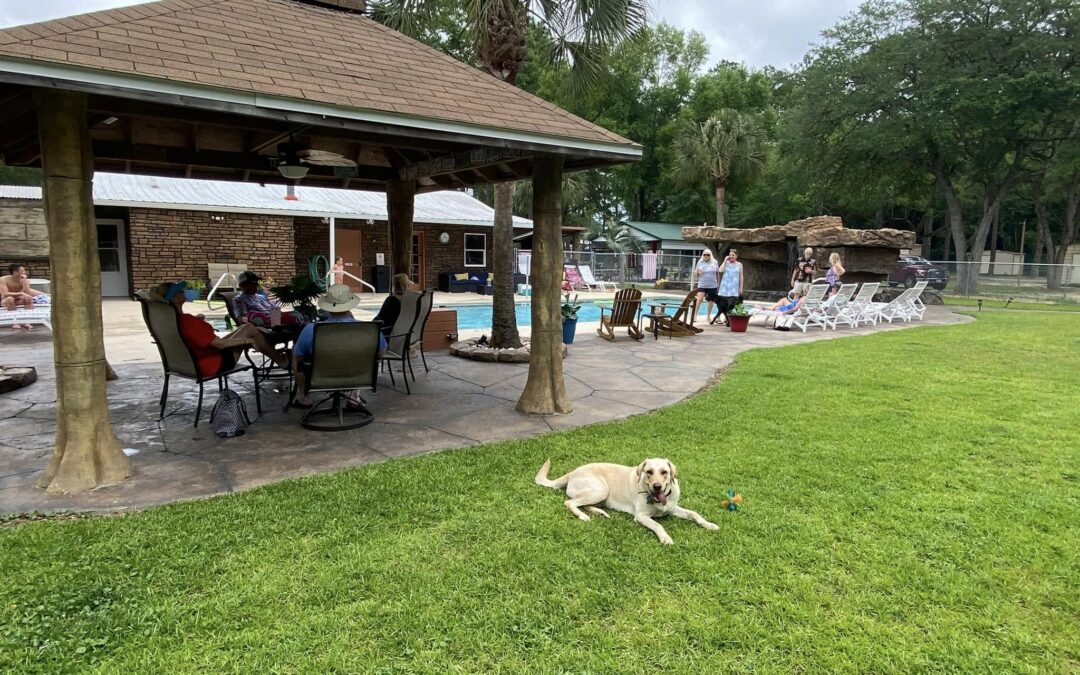
Traveling by RV gives pet owners the freedom to explore new destinations without leaving their companions behind. For longer trips, however, finding a campground that merely allows animals isn’t enough. The best pet-friendly RV parks provide clear rules, safe outdoor areas, convenient amenities, and an environment where pets and their owners can settle into a comfortable routine.
What Makes an RV Park Truly Pet-Friendly?
A genuinely pet-friendly RV park accommodates the everyday needs of animals rather than simply permitting them on the property. Useful features may include:
- Shaded walking areas
- Fenced dog runs or play spaces
- Convenient pet-waste stations
- Spacious campsites
- Clearly communicated leash rules
- Reasonable and transparent pet restrictions
- Nearby veterinary and pet-care services
These details become especially important when you plan to stay for several weeks or an entire season.
Review the Campground’s Pet Policy
Always read the park’s pet policy before reserving a site. Rules vary considerably from one campground to another, and some properties limit:
- The number of pets allowed at each campsite
- The size or weight of animals
- Certain dog breeds
- Where pets may walk or exercise
- How long an animal may be left unattended
- The types of enclosures or tie-outs guests may use
If anything in the policy is unclear, contact the RV park directly. Confirming the rules in advance can prevent unwelcome surprises at check-in.
Check Leash and Exercise Requirements
Most RV parks require dogs to remain leashed outside the RV. Others also provide designated off-leash areas where pets can exercise safely.
For an extended stay, consider whether the available facilities match your pet’s activity level. An energetic dog may benefit from a fenced dog park or access to nearby trails, while an older pet might need level, well-maintained paths close to the campsite.
Look for Comfortable Outdoor Areas
Outdoor space can have a significant effect on your pet’s daily comfort. When comparing RV parks, look for grassy areas, shaded paths, open spaces, and campsites that provide enough room to relax without being directly next to heavy foot or vehicle traffic.
Shade is particularly valuable in warm destinations because pavement, gravel, and artificial turf can become dangerously hot. In colder or wetter climates, maintained paths and good drainage may make everyday walks safer and more pleasant.
Consider the Campground Layout
Photos of individual sites do not always show how the entire campground is arranged. A tightly packed park may expose pets to frequent noise, passing dogs, golf carts, and unfamiliar visitors. That activity can be difficult for animals that are anxious, territorial, or easily overstimulated.
Larger sites and quieter sections of the property often provide a more relaxing setting. If your pet is sensitive to noise, ask whether the campground offers sites away from playgrounds, roads, communal areas, or busy entrances.
Pay Attention to Quiet Hours
Reliable quiet hours benefit both people and pets. Predictable evenings can help animals adjust to an unfamiliar environment and maintain their normal sleeping schedule.
Before booking, read recent reviews for comments about nighttime noise, nearby traffic, special events, and how consistently campground rules are enforced. Published quiet hours are useful, but actual guest experiences may provide a more accurate picture.
Confirm That Waste Stations Are Convenient
Well-placed pet-waste stations make daily cleanup easier and help keep shared spaces sanitary. For a short visit, this may seem like a minor feature. During a month-long stay, however, the location and upkeep of waste stations can make a noticeable difference.
Look for stations near common walking routes and check reviews for comments about cleanliness. Regardless of what the park provides, keep spare waste bags at your campsite and in your travel gear.
Research Nearby Pet Services
Access to local pet care is worth considering before committing to an extended stay. Search for nearby:
- Veterinary clinics and emergency animal hospitals
- Groomers
- Pet-supply stores
- Boarding or daycare facilities
- Dog-friendly parks and trails
Save the address and phone number of the nearest emergency veterinarian before you arrive. Doing so gives you a practical backup plan if your pet becomes sick or injured.
Read Reviews Written by Other Pet Owners
Campground descriptions usually highlight amenities, but guest reviews often reveal what staying there is actually like. Reviews from fellow pet owners may mention issues that are easy to overlook, including:
- Poorly maintained dog areas
- Limited shade
- Loose animals
- Excessive barking
- Hidden pet fees
- Unsafe walking routes
- Uncollected waste
- Strict or inconsistently enforced rules
Focus on recent reviews, since campground policies, ownership, and facilities can change over time.
Plan for the Local Weather
Climate should influence your choice of RV park. In hot regions, prioritize shade, access to fresh water, and safe places to walk during cooler parts of the day. In cold or rainy destinations, look for maintained paths, adequate drainage, and convenient outdoor access.
Also consider how well your RV can keep your pet comfortable during extreme temperatures. Never depend entirely on campground power without having a plan for an outage or equipment failure.
Help Your Pet Maintain a Familiar Routine
Pets often adjust more easily when their everyday schedule remains consistent. Try to preserve familiar feeding times, walks, play sessions, and rest periods after arriving at a new campground.
Bringing a pet’s usual bed, toys, bowls, food, medication, and comfort items can make an unfamiliar site feel safer. Introduce the campground gradually, particularly if your animal is nervous around new people, sounds, or other pets.
Questions to Ask Before Booking
Before reserving a long-term RV site, ask the campground:
- How many pets are allowed per site?
- Are there breed, size, or species restrictions?
- Is there an additional pet fee or deposit?
- Must pets remain leashed throughout the property?
- Is a fenced exercise area available?
- Can pets be left unattended inside an RV?
- Are there designated pet-walking areas?
- How close is the nearest veterinary clinic?
- Are any campground areas off-limits to animals?
- Are long-term guests subject to additional pet rules?
Frequently Asked Questions
What should I look for in a pet-friendly RV park?
Look for transparent pet policies, safe walking areas, sufficient shade, clean waste stations, reasonable campsite spacing, and access to nearby veterinary care. The best choice will also suit your pet’s temperament, health, and exercise needs.
Do all pet-friendly RV parks allow every breed?
No. Some campgrounds restrict particular breeds, animal sizes, or the number of pets allowed at each site. Always verify the current policy directly with the property before booking.
Can I leave my pet alone inside the RV?
Policies vary. Some RV parks allow pets to remain unattended inside a climate-controlled RV, while others prohibit it. Even where it is allowed, temperature-control failures and power outages can create serious risks.
Are pet fees common at RV parks?
Some campgrounds include pets in the standard site rate, while others charge a nightly, monthly, or one-time fee. Ask whether the fee applies per pet and whether any deposit is refundable.
How can I make a long RV stay easier for my pet?
Maintain a regular routine, provide daily exercise, bring familiar belongings, and choose a campsite with manageable noise and traffic. Keep identification, vaccination records, medication, and emergency veterinary information readily available.